
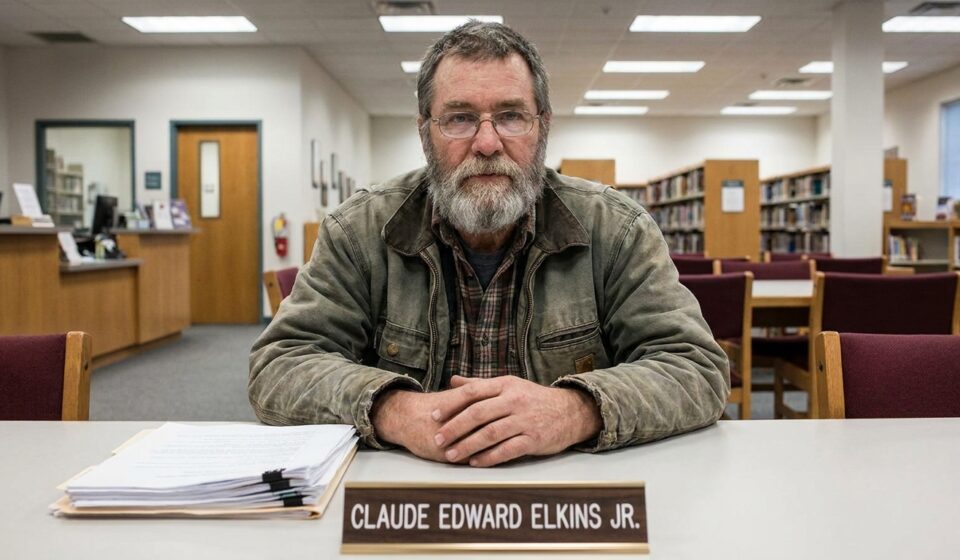

Claude Edward Elkins Jr is a name that appears in various public records and informational references, often drawing interest from people seeking clarity about individuals who share this identity. In the modern digital age, names can surface in databases, legal documents, historical listings, and online searches even when detailed biographical narratives are limited or not widely published.
Understanding such a name requires careful attention to context, accuracy, and responsible interpretation. Not every individual mentioned in public or indexed records is a public figure with widely documented achievements or media presence. In many cases, names exist primarily within administrative, genealogical, or regional documentation rather than in public-facing narratives.
This article explores Claude Edward Elkins Jr from a contextual and informational perspective, focusing on how names like this appear in public systems, how identity is recorded in digital environments, and why interpretation should remain grounded in verified information.
Understanding Public Name Records
In modern information systems, names such as Claude Edward Elkins Jr may appear across different types of records including legal documents, civic registrations, genealogical databases, or historical archives. These records are often created for administrative purposes rather than public storytelling.
A name appearing in such systems does not automatically imply public fame or widely documented biography. Instead, it reflects participation in structured societal systems such as birth records, residency documentation, or legal filings.
The “Jr” suffix indicates generational naming, typically used when a son is named after his father. This naming tradition is common in many cultures and often helps distinguish individuals within family lineages.
Understanding this context is important because it highlights how identity is structured in formal systems without necessarily being connected to public recognition.
Digital Identity and Modern Search Culture
In today’s digital environment, search engines and data aggregation platforms index vast amounts of information from public and semi-public sources. As a result, names like Claude Edward Elkins Jr may appear in search results even when limited biographical details are available.
This phenomenon is part of a broader shift in how information is accessed. Instead of relying solely on traditional biographies or published works, people now encounter fragmented data points collected from multiple sources.
Digital identity in this context is not always a complete narrative. It is often a combination of records, mentions, and structured data entries that exist independently of a detailed personal story.
This makes interpretation challenging and emphasizes the importance of distinguishing between documented fact and assumed identity.
The Importance of Context in Biographical Interpretation
Context plays a crucial role when analyzing any name found in public records. Without context, there is a risk of misinterpretation or overgeneralization.
For individuals like Claude Edward Elkins Jr, available information may be limited to administrative or formal records. This does not necessarily reflect personal achievements, career history, or public contributions.
Responsible interpretation requires acknowledging the boundaries of available data. Not all names are associated with public narratives, and many exist solely within functional record systems.
This is especially important in the digital era, where information can spread quickly without complete verification or supporting detail.
Genealogical and Historical Relevance
Names such as Claude Edward Elkins Jr are often of interest in genealogical research. Family historians may encounter such names while tracing lineage, building family trees, or examining historical documents.
Genealogical records help preserve family connections across generations. The inclusion of suffixes like “Jr” can provide insight into family structure and naming traditions.
However, genealogical relevance does not always equate to public biography. Instead, it reflects personal and familial history that may remain private or limited to archival sources.
Such records contribute to understanding demographic patterns, naming conventions, and historical continuity within families and regions.
Privacy and Ethical Considerations
When discussing individuals who are not widely recognized public figures, privacy becomes an important consideration. Even if a name appears in public records, it does not necessarily mean that detailed personal information should be widely shared or interpreted.
Ethical information practices emphasize respect for individuals whose lives are not part of public discourse. This includes avoiding speculation and focusing only on verifiable, context-based information.
Claude Edward Elkins Jr, like many individuals recorded in administrative systems, represents a case where identity exists within structured data rather than public biography.
Maintaining ethical boundaries ensures that information remains respectful, accurate, and responsible.
The Role of Record Systems in Identity Formation
Modern identity is shaped significantly by record-keeping systems. Government databases, legal documentation, and digital archives all contribute to how individuals are identified within society.
Names like Claude Edward Elkins Jr are part of these systems, which are designed for organization, identification, and administrative accuracy rather than storytelling.
These systems assign structure to identity through standardized formats such as full name, suffixes, dates, and associated records.
While this structure is essential for governance and organization, it does not always provide insight into personal life, experiences, or achievements.
Misinterpretation in the Digital Age
One of the challenges of modern information access is the potential for misinterpretation. When names appear online without context, readers may assume levels of public significance that are not supported by available data.
This is particularly relevant for names that appear in aggregated databases or automated indexing systems. Without additional context, these names can be mistakenly associated with public figures or notable events.
Claude Edward Elkins Jr serves as an example of how important it is to approach digital information carefully and critically.
Understanding the difference between indexed data and verified biography helps prevent misinformation and ensures more accurate interpretation.
Why Some Names Have Limited Public Information
There are many reasons why a name may have limited publicly available information. Some individuals prefer privacy, while others are simply not involved in public-facing professions or media coverage.
In many cases, records exist solely for administrative, legal, or genealogical purposes. These records are not intended to create public biographies.
The absence of detailed information does not imply significance or lack of significance. It simply reflects the nature of how information is recorded and shared.
Claude Edward Elkins Jr falls into this category where presence in records does not necessarily correspond to public documentation.
The Balance Between Information Access and Respect
Modern digital systems make it easier than ever to access information, but they also require greater responsibility in interpretation. Balancing transparency with respect for privacy is essential.
While public records serve important functions, they should not be used to create assumptions about individuals without sufficient context.
Respectful information handling involves recognizing limits, avoiding speculation, and focusing on factual clarity.
This approach ensures that digital information remains both useful and ethically sound.
Conclusion
Claude Edward Elkins Jr is a name that exists within the broader framework of public records and digital information systems. While it may appear in various indexed sources, understanding it requires careful attention to context, structure, and the nature of administrative documentation.
In the modern digital age, names are often separated from complete narratives, appearing instead as data points within larger systems. This makes responsible interpretation essential.
By focusing on verified context and respecting privacy boundaries, we can better understand how identity functions in both historical and digital environments. Claude Edward Elkins Jr serves as an example of how modern information systems record identity without always providing a full public biography, reminding us of the importance of accuracy, context, and ethical awareness in digital content.