
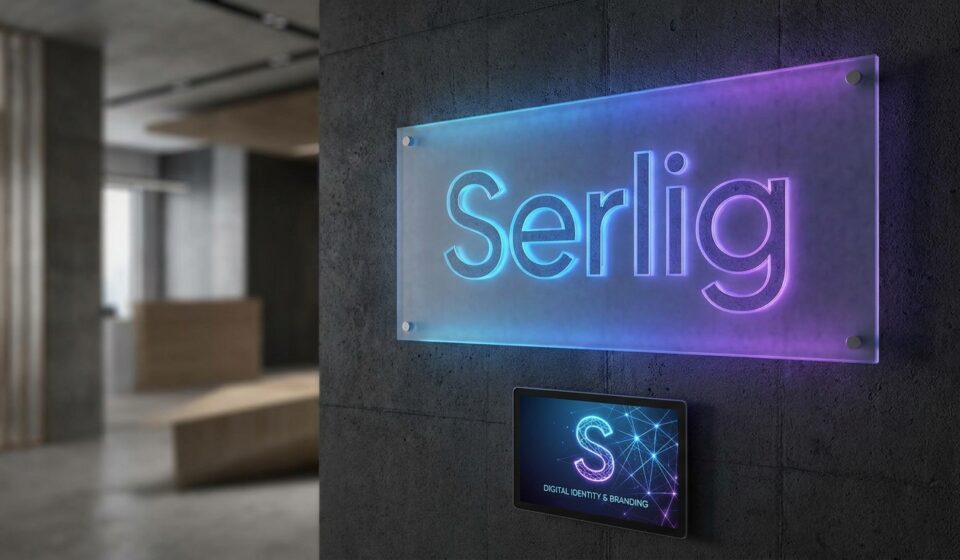

In the modern digital world, new names and terms appear constantly across websites, social media platforms, and creative projects. Some of these names are rooted in languages or cultural traditions, while others are entirely invented to serve branding, identity, or artistic purposes. One such intriguing and abstract term is “Serlig.”
At first glance, Serlig does not belong to any widely recognized dictionary meaning or established public entity. However, this is precisely what makes it interesting in the context of today’s internet culture. In a world where originality and memorability are essential, names like Serlig represent the growing trend of abstract digital identities that can be shaped by usage, creativity, and interpretation.
This article explores Serlig as a conceptual identity, its potential meaning, its relevance in digital branding, and how such names fit into modern online culture.
The Nature of the Name Serlig
Serlig has a soft, balanced sound that gives it a calm and modern feel. It is short, easy to pronounce, and visually symmetrical, which makes it suitable for branding or creative identity use. Although it does not have a fixed definition, its structure allows it to feel meaningful without being tied to a specific language or cultural background.
In many cases, names like Serlig are either invented for digital use or derived from linguistic inspiration without a strict definition. This flexibility is one of its strongest characteristics, as it allows the name to adapt to different contexts and industries.
Serlig could easily function as a brand name, a digital platform, a fictional concept, or even a personal identity in online spaces.
Serlig in the Context of Modern Branding
Branding in the digital era has changed significantly compared to traditional naming conventions. Today, businesses and creators often prioritize uniqueness over descriptive clarity. Instead of using names that directly explain what a product or service does, modern branding focuses on emotional appeal, memorability, and global adaptability.
Serlig fits well into this modern branding approach. It is distinctive enough to stand out in search engines and social media feeds, yet simple enough to be remembered easily. These qualities are highly valuable in competitive digital markets where attention spans are short and content saturation is high.
A name like Serlig could be used across multiple industries, including technology, fashion, wellness, design, gaming, or digital media. Its abstract nature allows it to grow and evolve without being restricted to a single meaning or function.
The Psychological Appeal of Abstract Names
Human psychology plays a major role in how people respond to unfamiliar names. When individuals encounter a term like Serlig, their brain naturally attempts to interpret its structure, sound, and possible meaning. This creates a moment of curiosity, which is a powerful driver of engagement and memory.
Names that are unfamiliar but aesthetically balanced tend to leave a stronger impression. Serlig has a smooth phonetic structure that feels natural to pronounce, which increases its memorability.
At the same time, its lack of a fixed definition encourages imagination. People may associate it with technology, nature, creativity, or even emotion depending on context. This openness makes Serlig adaptable in ways that more literal names cannot match.
Digital Identity and the Rise of Invented Words
The internet has transformed how language is created and used. Unlike traditional linguistic systems, digital communication evolves rapidly through social media, branding, gaming, and online communities. As a result, invented words and abstract names have become increasingly common.
Serlig reflects this evolution in digital identity creation. Many modern platforms and startups choose names that are not tied to existing meanings in order to ensure originality and global accessibility.
In today’s interconnected world, a name must often work across multiple languages and cultures. Abstract names like Serlig are especially effective because they do not carry cultural limitations or translation issues.
This makes them ideal for global branding and digital expansion.
Serlig as a Creative Concept
Beyond branding, Serlig can also be viewed as a creative or artistic concept. Its simplicity and mystery allow it to be shaped into different imaginative forms depending on context.
In storytelling, Serlig could represent a fictional world, a character name, a technological system, or even a symbolic idea. Its neutral structure allows creators to assign meaning freely without being constrained by pre-existing definitions.
This flexibility is especially valuable in creative industries such as literature, game development, film production, and digital art. Names that are open-ended often serve as strong foundations for world-building and narrative development.
Serlig could easily exist in a futuristic setting, a fantasy universe, or a minimalist artistic project.
The Role of Sound and Structure in Naming
One of the reasons Serlig feels appealing is its phonetic structure. It has a smooth and balanced sound that makes it easy to say and remember. The combination of soft consonants and clean syllables creates a modern and elegant tone.
In branding psychology, sound plays a crucial role in shaping perception. Names that are too harsh or complex may be harder to recall, while names that are too generic may fail to stand out. Serlig sits in a balanced position between uniqueness and simplicity.
This balance makes it suitable for a wide range of applications, from professional branding to creative identity design.
The Internet and the Power of Curiosity
The internet thrives on curiosity. When users encounter unfamiliar words like Serlig, they often search for meaning, context, or usage examples. Even in the absence of an official definition, the curiosity itself gives the term value.
This phenomenon is common in digital culture, where unusual names often gain traction simply because they spark interest. Over time, repeated exposure can turn an abstract word into a recognizable identity.
Serlig benefits from this dynamic because its ambiguity encourages exploration. The less immediately defined a term is, the more room it has for interpretation and engagement.
Branding Flexibility and Global Usability
One of the strongest advantages of a name like Serlig is its global usability. In international markets, brand names must often be easily readable, pronounceable, and adaptable across languages.
Serlig meets these requirements effectively. It does not rely on specific linguistic roots, making it neutral and internationally friendly. This neutrality is important for digital brands that aim to reach diverse audiences.
Additionally, its short structure makes it suitable for domain names, app titles, social media handles, and product labeling. In the digital economy, such flexibility is a key asset.
Emotional Interpretation of Serlig
Even without a defined meaning, names often carry emotional associations. Serlig has a calm and slightly futuristic tone that may evoke feelings of simplicity, clarity, or innovation.
Different people may interpret it in different ways depending on context. For some, it may feel technological and modern. For others, it may feel artistic or abstract. This emotional flexibility enhances its branding potential.
In modern marketing, emotional connection is often more important than literal meaning. Consumers respond strongly to names that feel appealing or memorable, even if they do not fully understand them.
Serlig in the Context of Modern Digital Trends
Today’s digital landscape is shaped by rapid innovation, short attention spans, and constant content creation. In such an environment, names must be distinctive to survive.
Serlig reflects several key digital trends, including minimalism in branding, abstract identity creation, and global naming strategies. It aligns with the growing preference for names that are short, clean, and visually appealing.
Many successful digital products and platforms follow similar naming patterns, emphasizing uniqueness and emotional tone over descriptive accuracy.
Serlig fits naturally into this evolving ecosystem of digital identity design.
Future Potential of Serlig
Looking ahead, Serlig has strong potential as a flexible digital identity. It could be developed into a brand, a creative platform, a software tool, or a fictional concept.
Its strength lies in its adaptability. Because it is not tied to a fixed meaning, it can evolve alongside the needs of its creators or users. This makes it especially valuable in fast-changing industries such as technology, media, and design.
As digital culture continues to grow, abstract names like Serlig may become even more common, serving as foundations for global branding and creative expression.
Conclusion
Serlig is a modern example of how abstract names can gain significance in the digital age. While it does not have a fixed dictionary meaning, its structure, sound, and flexibility make it suitable for branding, creativity, and digital identity development.
In a world where originality and memorability are essential, names like Serlig represent the future of naming culture. They allow meaning to be created rather than assigned, giving individuals and organizations the freedom to shape identity in dynamic ways.
Whether used as a brand, a concept, or a creative idea, Serlig demonstrates the power of simplicity and imagination in modern digital expression.