
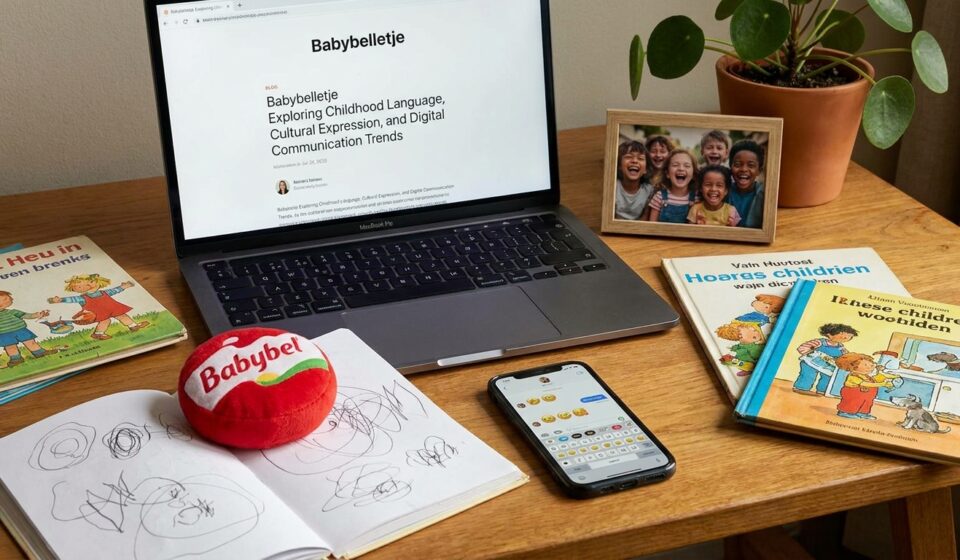

Babybelletje is a playful and expressive term often associated with affectionate language, childhood speech patterns, and informal digital communication. In modern online culture, words like Babybelletje reflect how language evolves in emotional, creative, and social contexts. These expressions are frequently used to convey warmth, cuteness, familiarity, or emotional closeness in both spoken and written communication.
As digital communication becomes more personal and expressive, terms like Babybelletje highlight the blending of emotional language with modern online interaction. They represent how people use creativity in language to build connections and express feelings in unique ways.
The Role of Affectionate Language
Affectionate language plays an important role in human communication. It is used to express love, care, friendliness, and emotional bonding. Words that sound soft, playful, or diminutive often carry emotional weight beyond their literal meaning.
Babybelletje can be seen as part of this expressive language category that emphasizes warmth and emotional closeness. Such words are commonly used between family members, friends, or in romantic communication to create a sense of intimacy and comfort.
This type of language strengthens social bonds and enhances emotional understanding between individuals.
Childhood Speech and Linguistic Development
In early childhood, language development often includes simplified, playful, or repetitive forms of speech. These expressions help children learn communication patterns while also expressing emotions in an accessible way.
Words like Babybelletje reflect the natural tendency of language to become softer and more expressive when used in nurturing or affectionate contexts. Childlike expressions often remain part of adult communication as symbolic or emotional language.
This connection between childhood speech and adult expression demonstrates how language evolves while retaining emotional memory.
Digital Communication and Emotional Expression
In the digital age, communication has become faster, more informal, and more emotionally expressive. Social media platforms, messaging apps, and online communities encourage users to express feelings in creative ways.
Emojis, slang, and playful words like Babybelletje are commonly used to add emotional tone to text-based conversations. These expressions help compensate for the lack of vocal tone and physical presence in digital communication.
As a result, language online has become more expressive, flexible, and emotionally rich.
The Influence of Internet Culture
Internet culture has significantly influenced modern language development. Online communities often create and spread new words that reflect shared humor, emotions, or cultural identity.
Playful terms like Babybelletje often emerge in informal conversations and gain popularity through repetition and social sharing.
This process shows how digital communities actively shape language evolution in real time.
Emotional Tone in Modern Language
Emotional tone is a crucial aspect of communication. In face-to-face interaction, tone is conveyed through voice, facial expressions, and gestures. In digital communication, however, tone must be expressed through words and symbols.
Babybelletje represents a type of language that carries an inherently soft and affectionate tone. It helps convey warmth and friendliness even in text-based environments.
This highlights the importance of emotional clarity in modern communication systems.
The Psychology of Cute Language
Linguists and psychologists have long studied the impact of “cute” or affectionate language on human perception. Words that sound soft or playful often trigger positive emotional responses.
Such language can create feelings of comfort, trust, and emotional safety. It is commonly used in caregiving, relationships, and social bonding.
Babybelletje fits into this pattern of emotionally engaging language that enhances interpersonal connection.
Social Media and Expressive Vocabulary
Social media platforms encourage users to experiment with language and expression. Short messages, captions, and comments often rely on emotionally charged or playful vocabulary.
Words like Babybelletje can become part of online identity, humor, or aesthetic communication styles.
This demonstrates how social media contributes to the diversification and creativity of modern language use.
Cultural Variations in Affectionate Terms
Different cultures have unique ways of expressing affection through language. Some use diminutives, nicknames, or rhythmic expressions to convey emotional closeness.
Babybelletje reflects this global tendency toward affectionate linguistic creativity, even though its usage may vary depending on cultural context.
This shows how emotional expression in language transcends geographic and linguistic boundaries.
Language Play and Creativity
Language play is an important aspect of human communication. It involves the creative manipulation of words, sounds, and meanings for expressive or humorous effect.
Words like Babybelletje demonstrate how people enjoy experimenting with language to create new emotional or playful expressions.
This creativity keeps language dynamic and continuously evolving.
The Role of Memory and Emotion in Language
Language is closely connected to memory and emotion. Certain words can evoke feelings of nostalgia, comfort, or joy based on personal experience.
Affectionate terms often become emotionally meaningful over time, especially when associated with positive relationships.
Babybelletje can symbolize this emotional dimension of language where meaning is shaped by experience rather than strict definition.
Digital Identity and Personal Expression
In online environments, language is often used to express identity. Users choose specific words, usernames, and communication styles that reflect their personality.
Playful and affectionate terms can become part of an individual’s digital identity, signaling friendliness or emotional openness.
Babybelletje represents this form of expressive identity construction in digital communication.
Language Evolution in the Modern Era
Language is constantly evolving, especially in the digital age where communication is instant and global. New words emerge frequently and spread rapidly through online platforms.
Many of these words are informal, emotional, or playful in nature, reflecting the changing needs of communication.
Babybelletje symbolizes this ongoing evolution of language toward greater expressiveness and emotional depth.
Challenges of Informal Language
While affectionate and informal language enhances emotional expression, it can also create challenges in clarity and interpretation. Not all audiences may understand or interpret such terms in the same way.
This highlights the importance of context in communication, especially in global digital environments.
Babybelletje demonstrates both the creativity and ambiguity that come with informal language use.
The Future of Expressive Communication
The future of communication is likely to become even more emotionally expressive and visually integrated. With the rise of artificial intelligence, virtual reality, and advanced messaging systems, language will continue to evolve.
Emotional expression will remain central to human communication, even as tools and platforms change.
Babybelletje represents this ongoing shift toward more personalized and emotionally rich communication styles.
Conclusion
Babybelletje symbolizes the playful, affectionate, and emotionally expressive side of modern language. It reflects how people use creativity in communication to build connection, express warmth, and enhance digital interaction.
From childhood speech patterns to social media expression, such terms demonstrate the evolving nature of language in both personal and digital contexts.
As communication continues to develop in the digital age, expressive and affectionate language like Babybelletje will remain an important part of how humans connect, share emotions, and build meaningful relationships.